The Framework
- Define the specific outcome you want. Be precise about what success looks like. Vague goals lead to wasted effort. What exactly do you need to achieve, and how will you know when you've achieved it?
- Identify the minimum input that produces that outcome. Find the smallest action, shortest duration, or least complex approach that still delivers the result. More is not always better - often it's just more.
- Start at the minimum and test. Begin with your hypothesis of the minimum effective dose. Measure the results. If it works, you've found your baseline. If not, increase incrementally.
- Resist the urge to do more than needed. Say "I did what was needed" instead of "I should have done more." Extra effort beyond the effective dose rarely improves results proportionally. It often just consumes time and energy that could go elsewhere.
- Redirect saved capacity to higher-value activities. The point of efficiency isn't to do less - it's to do more of what matters. Use the time and energy you've freed for your highest priorities.
Use It When
- You're overcomplicating tasks that could be simpler.
- You spend excessive time perfecting things that don't need to be perfect.
- You want to maintain multiple areas of life without burning out.
- You need to build sustainable habits that fit into a busy schedule.
- You're experiencing diminishing returns from extra effort.
Avoid When
- The activity is something you genuinely enjoy and want to immerse in fully.
- Excellence is required and the stakes are high.
- You're using it to justify cutting corners on quality that matters.
- You're in a learning phase where extra practice builds foundational skills.
- The minimum wouldn't meet legitimate standards or expectations.
Examples
Instead of spending four hours perfecting a slide deck for an internal meeting, identify what actually needs to be communicated. Three clear bullet points on plain slides might achieve the same outcome in 30 minutes. Save the polish for presentations that face customers or executives.
Research shows 20 minutes of exercise three times per week produces most of the health benefits. You don't need a two-hour gym session daily. Find the minimum that maintains your health and stick to it consistently rather than burning out on unsustainable routines.
You don't need to track every cent or optimize every purchase. Automate savings and major bills. Review spending monthly, not daily. Focus financial energy on the few big decisions - housing, transportation, career - that determine 80% of your financial outcome.
Maintaining friendships doesn't require elaborate plans. A five-minute text checking in can sustain a relationship as well as a two-hour dinner, and it's easier to do regularly. Find the minimum touch that keeps connections alive, and you'll maintain more relationships with less effort.
Further Reading

Essentialism
Explores the disciplined pursuit of less but better. The concept of essentialism aligns directly with finding the minimum effective dose - doing only what is essential and eliminating everything else.
View on Amazon →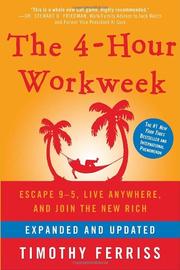
The 4-Hour Workweek
Introduces the concept of minimum effective dose explicitly. Demonstrates how to achieve lifestyle goals by identifying and focusing on the vital few inputs that drive results.
View on Amazon →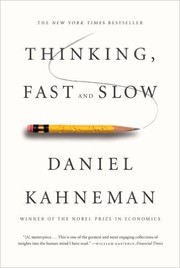
Thinking, Fast and Slow
Explains cognitive limitations and why we often overinvest in activities. Understanding how our minds work helps recognize when we're putting in more effort than necessary.
View on Amazon →